The Psychology of Watch Collecting: Influence, Impulse, and the Watches We Keep
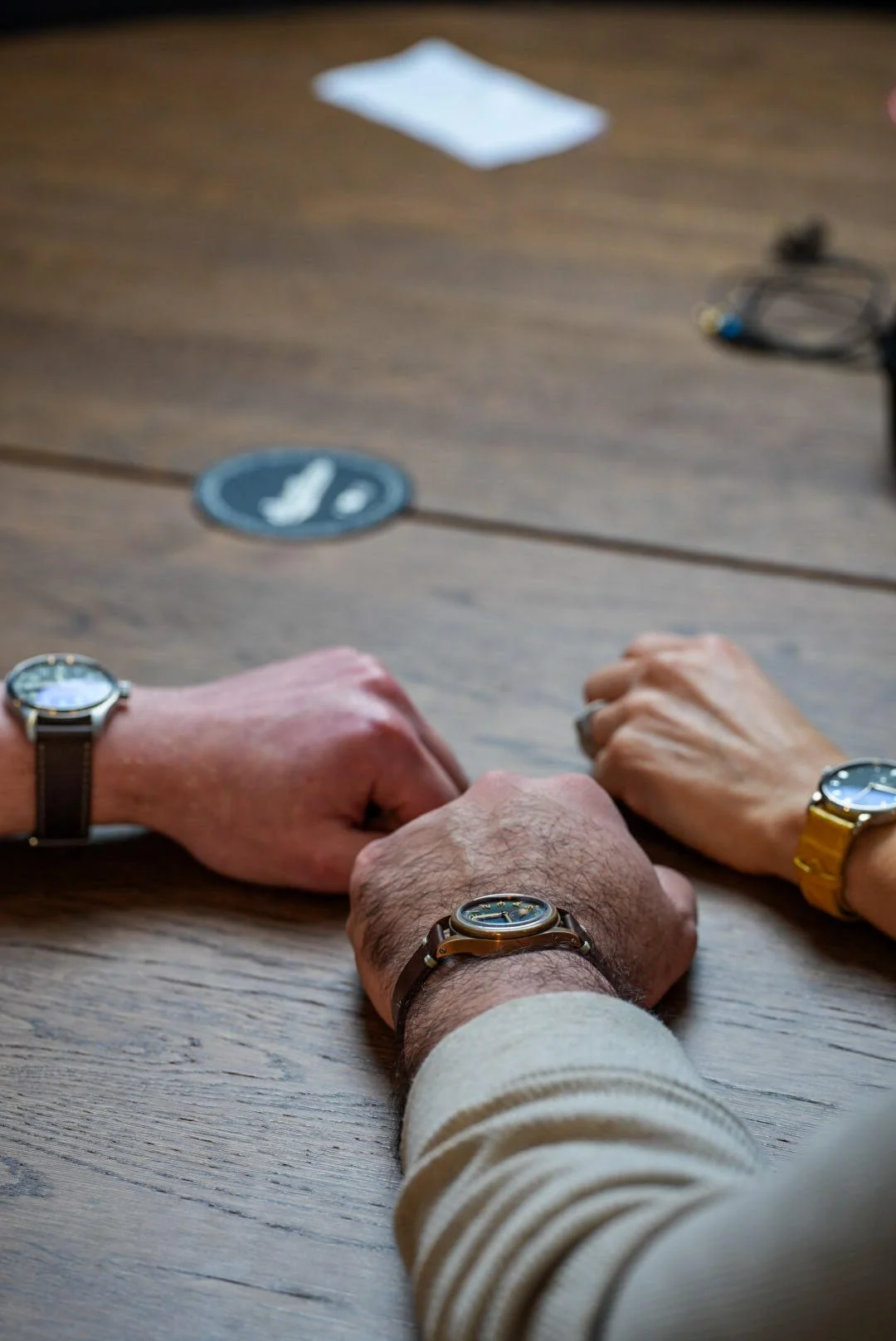
Photo by Chris Antzoulis
There’s a rhythm to modern watch enthusiasm that makes the hobby feel like more of a sprint than something worth steeping in.
A new release drops; someone posts a wrist shot; a trusted voice proclaims it “really special”; WhatsApp chats ignite; social media floods your feed; and, a few weeks later, another box arrives. Soon after, another listing goes up on Chrono24. It’s catch and release, or “I’m just trying it out.”
There’s nothing unusual about this pattern anymore. It’s the new default tempo of the hobby, and I gotta say, it’s not a banger. Watches are moving from person-to-person at a pace that would’ve been unthinkable a decade ago. We’ve surpassed acquisitions to the point where buying on a monthly basis really feels conservative. There’s something about this that feels thin because we’ve stripped the hobby of its romance.
I promise this is not an argument against buying watches; I sure as heck am not stopping. Nor is this a plea to go backward. I want to take an honest look at influencer culture, especially in its most well-meaning, enthusiast-driven forms, because it affects the objects we all claim to love.
The Comfort of “Just Trying It Out”
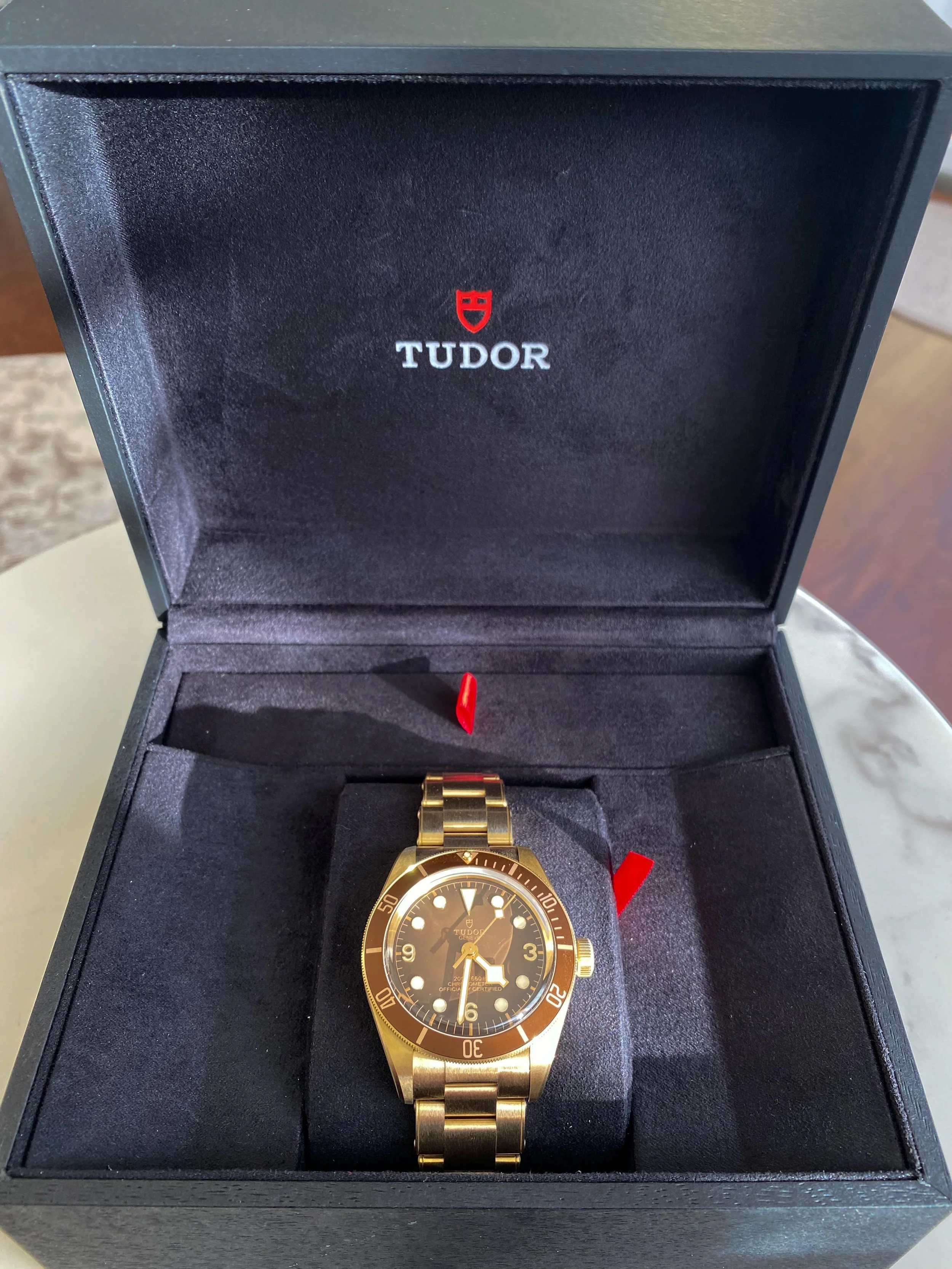
Photo by Chris Antzoulis - the day I got my BB58 Bronze
There’s a phrase that gets used a lot in watch circles: I just wanted to try it out. It sounds harmless, doesn’t it? Fuck, it even sounds downright sensible.
Yet it really means we’ve given ourselves permission to avoid sitting with a choice, as we’ve taken the vulnerability of commitment off the table. It affixes impermanence to the relationship, providing us with an exit plan from the first ‘add to cart’ click.
Choosing has morphed into sampling, and ownership is now provisional.
A watch worn with one eye already on resale value is fundamentally different from one bought with the expectation of commitment. It’s gone from a companion to a houseguest, and one you may not even like.
Influence Doesn’t Feel Like Advertising Anymore
One of the reasons this churn feels so natural is that marketing now announces itself as influence, in that it doesn’t really announce itself anymore. It comes to your doorstep with a mask of enthusiasm, as storytelling…maybe even friendship.
Psychological research into influencer culture shows that people don’t engage with creators the way they do with traditional ads. They form parasocial relationships. These are one‑sided emotional connections that feel personal. Trust transfers more easily in relationships considered more intimate, and you feel safer making decisions when they are verified.
What does this look like in terms of our little horological hobby:
Trusting a recommendation from a reviewer who “feels like one of us”
Borrowing someone else’s excitement as our own
Confusing the alignment of our personal taste with the alignment of our own identity
I don’t think anyone goes into all this with bad intentions, and that might actually make it even more effective, since so much watch media is created by genuine enthusiasts. So, the sincerity is only amplifying the psychological outcomes here.

Photo by Chris Antzoulis - Crowded watch conventions
The Collapsing Decision Cycle
Traditionally, buying a watch would be a laborious process that involves a bit of mental friction, a lot of friggin research, exhaustive comparison, a dash of second-guessing yourself, more research, and then finally…gratification. Today, discovering a new watch and checking out can happen during the same cup of coffee.
And we’ve watched so many YouTube videos and have taken in so much content that our excitement peaks early. Before that watch is ever worn or lived with.
So when the watch finally arrives, it’s already competing with yet another new release, which has been posted about a hundred times; the next thing everyone is talking about. Ownership now serves as the epilogue, not the story. In this environment, we’ve trained ourselves to believe that flipping a watch isn’t a failure to find something we love; it feels like the completion of this new process.
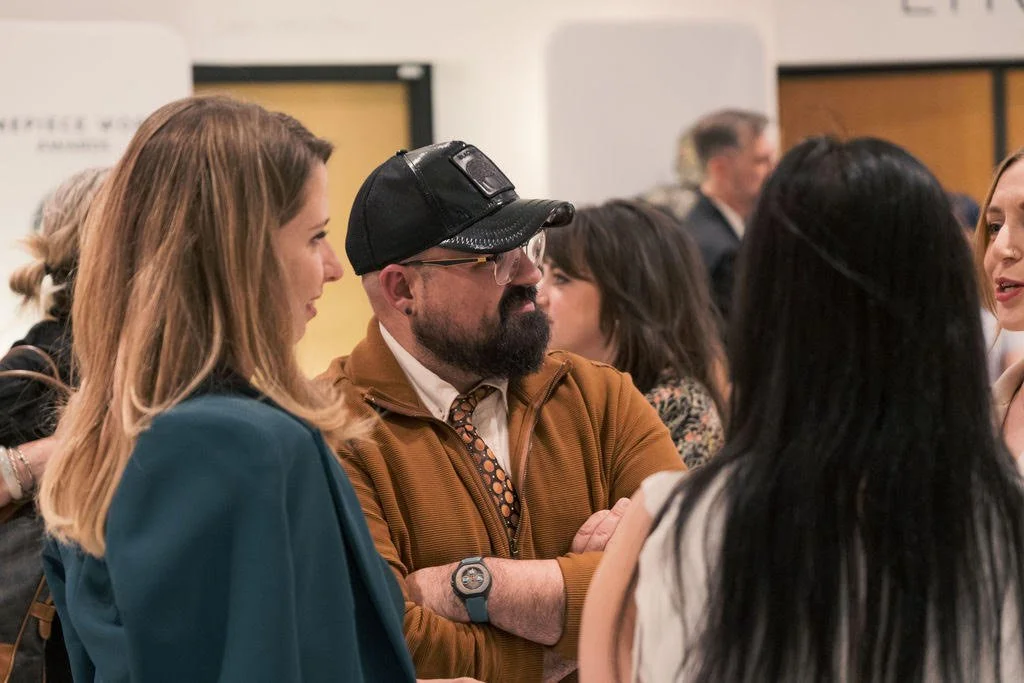
Photo by @furrywristabroad on Instagram
I’m Inside the Machine Too
Ok, this part is uncomfortable as I know that I am part of the problem.
Reflecting on influence means I must also admit my own participation in the churn.
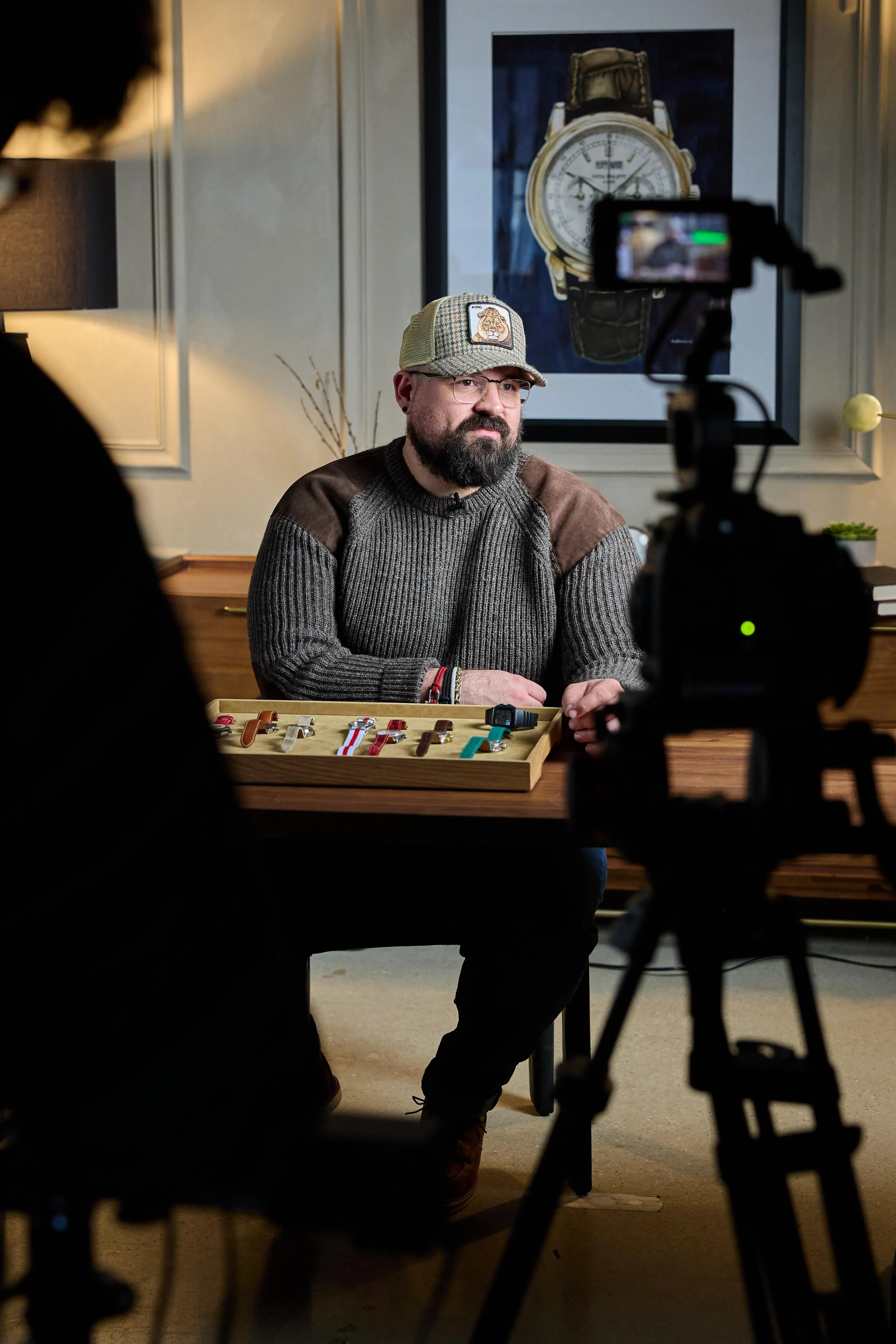
Photo of Sherlin Beckham of Chris Antzoulis
Writing about watches, and now talking about them on a podcast, means I’m part of the same ecosystem this piece is critiquing. My words carry weight (as do yours), and my enthusiasm travels out. A passing product mention can be enough to tip someone from curiosity into a purchase.
That realization sits heavily with me. I want to point out that I don’t believe influence is inherently unethical. I believe, however, that it is psychologically effective. The same mechanisms that make a creator persuasive apply here as well. Credibility is built over time, along with that emotional rapport, our shared language, and shared values.
My own self‑deprecation doesn’t absolve my personal responsibility in an attempt at connection as honestly as I can. Quietly rolling my eyes at myself and the hype I contribute to doesn’t undo the fact that some of my recommendations might land. Even if they’re casual in nature.
All this means is that there’s a responsibility not to silence our own enthusiasm, but rather to be more deliberate with it.
Language Matters More Than We Admit
Psychologically, framing matters. Saying something is “worth owning” carries a different weight than saying it’s “interesting.” Saying something is a “must‑have” short‑circuits self-reflection in a way that declaring something “worth discussing” does not. One of these is meant to continue the conversation, while the other makes the decision for another person.
Influence, in terms of sales and marketing, is at its most effective when it collapses the distance between person and product, and then between desire and action. The counterweight to this is more intentional language that creates space, diminishes urgency, and continues a conversation rather than concluding it.
Not every release needs to go beyond discussion.
Not every watch needs to be tried to understand.
Not every moment of excitement needs to end in a transaction.
Sometimes, an engaging conversation is the hobby.
I’m Not Immune to This
This piece, criticism, whatever… isn’t written from a place of purity. Plenty of watches have passed through my collection. Some were learning experiences, others misjudgments, and some were casualties of my own changing taste.
But over time, something has shifted in the way I choose to collect.
The idea of buying a watch, any watch, with the intention of it staying with me for the rest of my life has become an almost radical thought. That watch doesn’t have to be expensive or rare; the experience has become methodical, regardless of cost. To be this deliberate means finding confidence in one’s own taste and a willingness to let a watch reveal itself slowly.
What the Churn Costs Us
We’re eroding our own trust and encouraging more frequent spending as byproducts of constant influence.
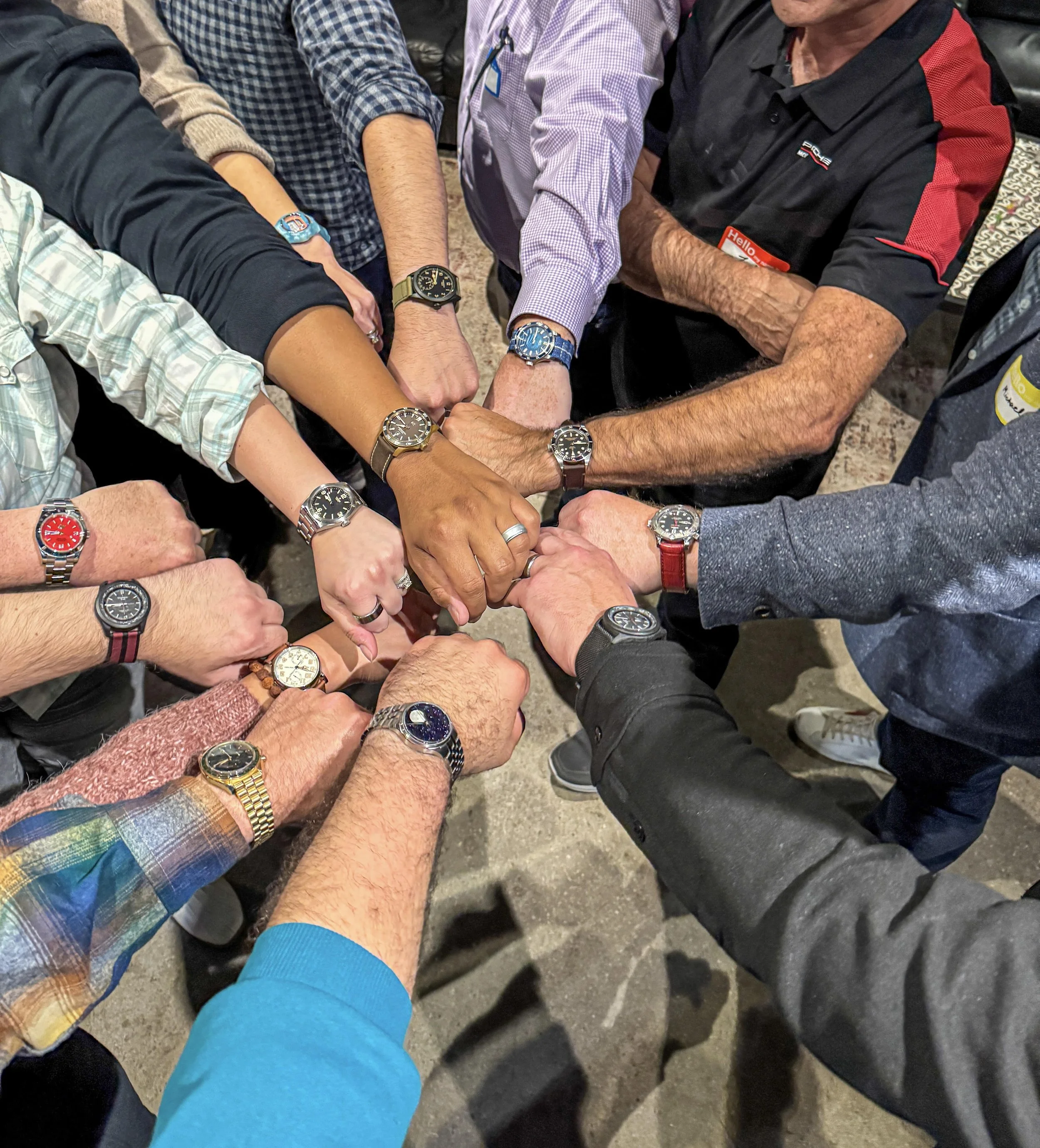
Photo by Chris Antzoulis
When every new release is framed as essential, it becomes harder to know what we actually like and where our own taste is, until the noise fades. When our excitement needs constant refreshing, contentment starts to feel a bit suspicious. Through this external validation, our own satisfaction is guaranteed to be temporary. And the loss isn’t just financial anymore; it’s relational, too.
A watch worn for years will accumulate memories and meaning. We romanticize the hobby so much that even scratches get stories. And through our intentional purchases of watches, we start to more accurately assemble our preferences. We can take a break from evaluating and start being understood. Now, a watch can be a trusted piece of your uniform as well as a statement of style.
That can’t happen if you’ve already purchased two more before the first one ever gets to your doorstep.
The Long Game
Although making purchases with longevity in mind doesn’t necessarily mean you have to buy fewer watches. It means buying more slowly, letting time pass for desire to cool, and seeing what remains. It means asking yourself some uncomfortable questions:
Would I still want this if no one else ever saw it on Instagram?
Would I still wear it once it's no longer discussed on WhatsApp?
Would I miss it if it were gone?
I know we’ve got some watch snobs in the bunch, I think we all are to some extent, but horological sophistication isn’t measured by acquisitions. It’s measured by what matters to you once the novelty of your purchase expires.
Learning to Stay (And Inviting You In)
Influencer culture is very good at teaching us how to want more stuff. It’s less interested in teaching us how to hold on to what we have and be conscientious about new selections.
But watches, at their best, reward us when we hold on to them. They age; they change; they meet us where we are, create the memories we hold dear, and follow us where we’re going. It’s all part of that romance we love so much in this hobby.
So maybe here’s what we need to work on:
To talk about watches without turning every conversation into a purchase
To treat excitement as something to examine, not something to immediately act on
To let the discussions be enough most of the time
This isn’t a manifesto; I’d rather like for this to be an open question.
How has your relationship with watches changed over time?
What habits have you had to unlearn?
What helps you slow down, trust your taste, or resist the churn I’ve spoken about?
Our collective growth in this hobby doesn’t happen in isolation; it happens by continuing the conversation with each other.
Buy a watch. Wear it. Talk about it. Maybe even keep it?
And try to make it last forever.
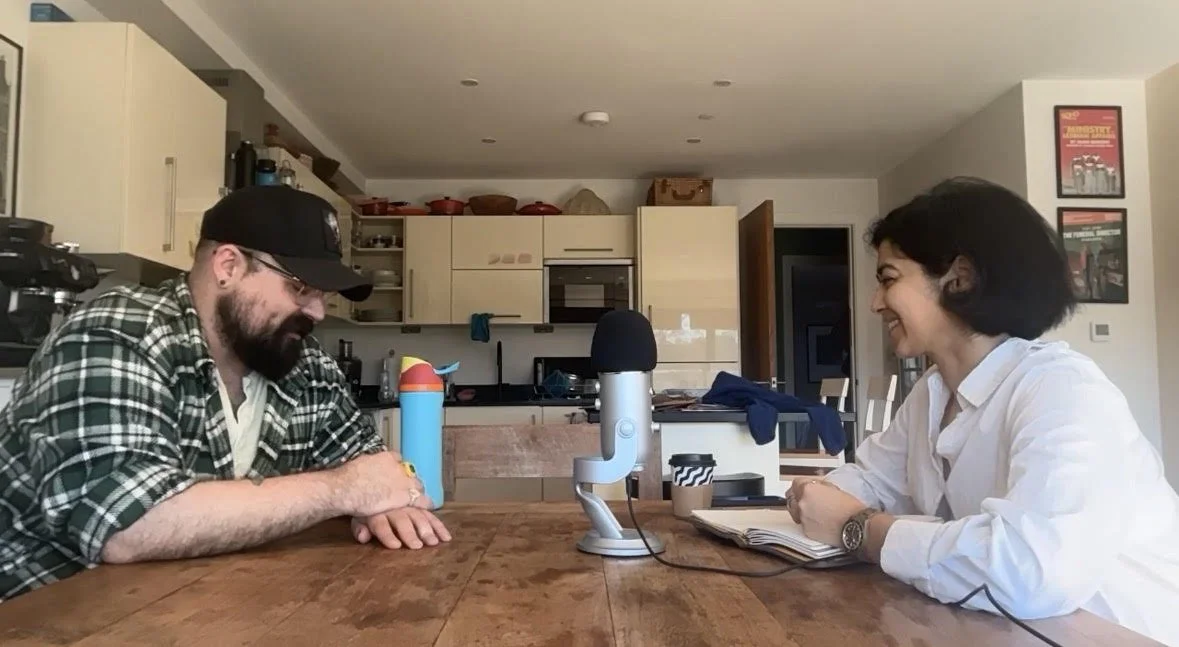
Chris and Iman recording an episode of A Tale of Two Wristies

REMEMBER, nerds…. to keep the comments clean. Please don’t make me pull out ole Abraham-Louis here.